
Why “Just Ice It” Isn’t Enough: The Need for Recovery Solutions That Fit Real Life
"For decades, the recommendation has been simple: just ice it. But traditional icing methods were never designed for the realities of modern schedules."

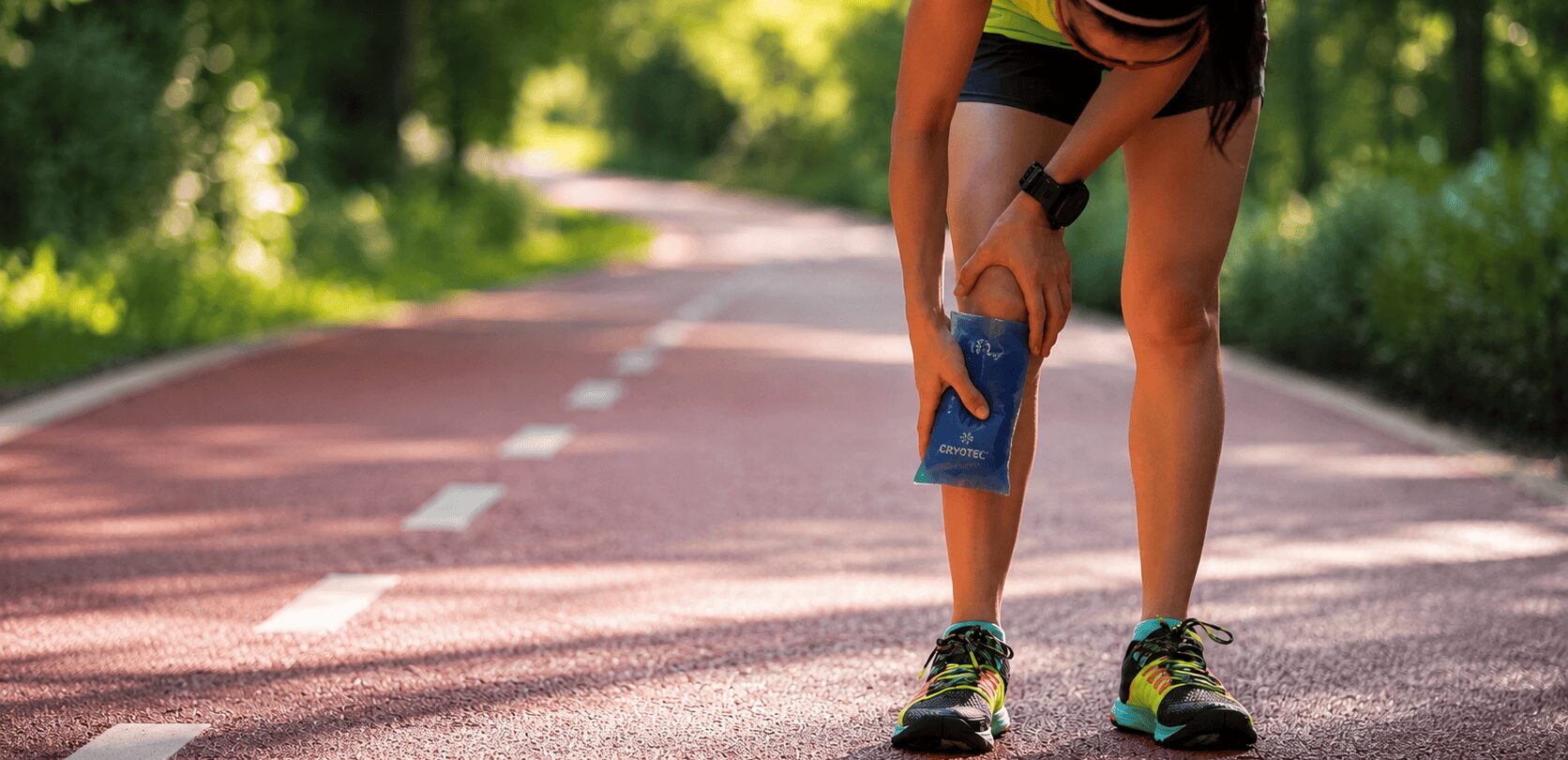
The Reality Behind a Common Recommendation
For decades, athletes, coaches, and healthcare professionals have relied on a simple recommendation when an injury occurs: “just ice it.”
Cold therapy has long been used to help manage pain and swelling following physical activity and injury. For many athletes, it remains one of the most widely used recovery methods, particularly during the early stages of rehabilitation. While the recommendation itself is well known, many people struggle to apply it consistently in their daily lives.
The challenge is not necessarily whether cold therapy can be beneficial. The challenge is that traditional icing methods often do not fit the realities of modern schedules.
The Gap Between Advice and Reality
On paper, icing appears straightforward:
- Apply cold to the affected area
- Help manage swelling
- Support the recovery process
In practice, however, traditional ice therapy can be inconvenient.
While traditional icing methods have been used for decades, they were designed for a time when recovery typically happened at home. Today’s athletes, professionals, and active individuals increasingly need recovery solutions that can travel with them.
Most conventional ice packs require people to:
- Be at home or near a freezer
- Interrupt their daily activities
- Sit still for a period of time
- Replace ice packs as they warm up
For individuals balancing work, commuting, training, family commitments, and other responsibilities, recovery is often pushed lower on the priority list. Even minor inconveniences can make it difficult to maintain a consistent recovery routine.
Why Consistency Matters
Recovery is about more than temporary symptom relief. Managing swelling can play an important role in maintaining function and supporting rehabilitation.
Research suggests that swelling management may help:
- Maintain joint mobility
- Support muscle activation
- Improve progression through rehabilitation programs
The first one to two weeks following an injury are often important in establishing the trajectory for longer-term recovery. When swelling is not effectively managed, it may contribute to:
- Stiffness
- Reduced mobility
- Delayed recovery timelines
- Difficulty reintroducing movement and activity
The Real Barrier Is Accessibility
Many people do not skip recovery because they lack motivation. Instead, they often lack access to recovery tools that fit naturally into their daily routines.
Recovery is frequently viewed as something that happens:
• At home
• After work or training
• During dedicated rest periods
The reality is that injuries do not follow a schedule, and neither do most people.
Rethinking Recovery for Modern Lifestyles
As recovery technology evolves, there is growing interest in portable cold therapy solutions that fit naturally into modern lifestyles. Rather than requiring access to a freezer or dedicated recovery time at home, these tools allow individuals to manage recovery on the go and maintain consistency throughout the day.
Portable recovery tools make it possible to incorporate recovery into everyday life, whether that is:
- Immediately after activity
- During a commute
- Between gym sets
- While working or traveling
- As part of a daily wellness routine
By reducing barriers to use, portable recovery solutions can make it easier for individuals to remain consistent with their recovery efforts.
Why Portability Influences Behavior
Convenience has a significant impact on long-term adherence. When recovery tools are easy to use, accessible and integrated into existing routines – people are more likely to use them consistently.
For athletes managing demanding training schedules, portable cold therapy can make recovery more accessible after workouts, competitions, and travel. By reducing barriers to use, recovery becomes easier to incorporate into daily routines.
Consistency is often one of the most important factors in maintaining a recovery routine and supporting positive outcomes over time.
Moving Beyond “Just Ice It”
The challenge with the phrase “just ice it” was never the recommendation itself.
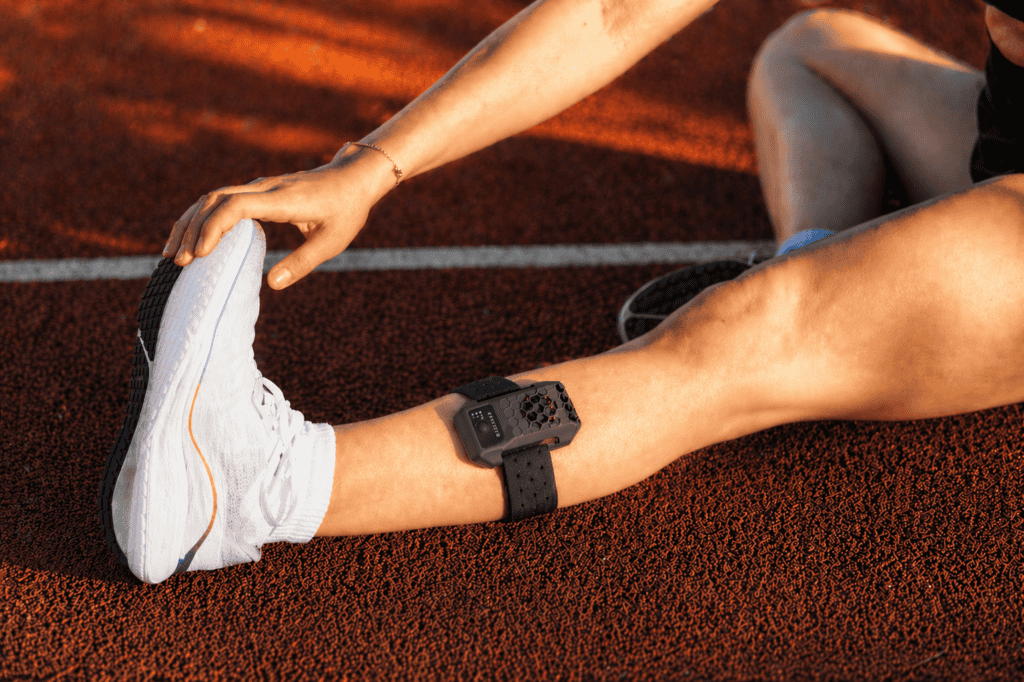
The challenge was the assumption that people always have the time, space, and flexibility required to follow through consistently. As recovery solutions continue to evolve, the conversation is changing.
Products such as CryoTec are helping redefine how people approach recovery by providing portable cold and contrast therapy that can be used throughout the day, whether at work, during travel, or after exercise.
Instead of asking, “Is it worth taking time out of my day to recover?” many people are now asking, “How can recovery fit naturally into my day?” Portable cold therapy and recovery-on-the-go solutions are helping bridge that gap, making it easier for athletes and active individuals to stay consistent with their recovery routines wherever life takes them.
The Research
- Mayo Clinic – Sprains and strains treatment guidelines
https://www.mayoclinic.org/diseases-conditions/sprains-and-strains/diagnosis-treatment/drc-20377944 - Cleveland Clinic – R.I.C.E. Method for Injuries
https://my.clevelandclinic.org/health/treatments/16436-rice-method - National Institutes of Health – Cryotherapy in sports injury management
https://www.ncbi.nlm.nih.gov/pmc/articles/PMC522152/ - British Journal of Sports Medicine – Soft-tissue injury management and inflammation research